Word origin examples.
Ten source-linked histories. Follow the forms, see where meanings move, and open the dictionary entry behind each story.
A good place to begin
coffee
Arabic qahwa reached English coffee through Turkish; dictionaries differ on whether the last step was Italian caffè or Dutch koffie.
Follow the story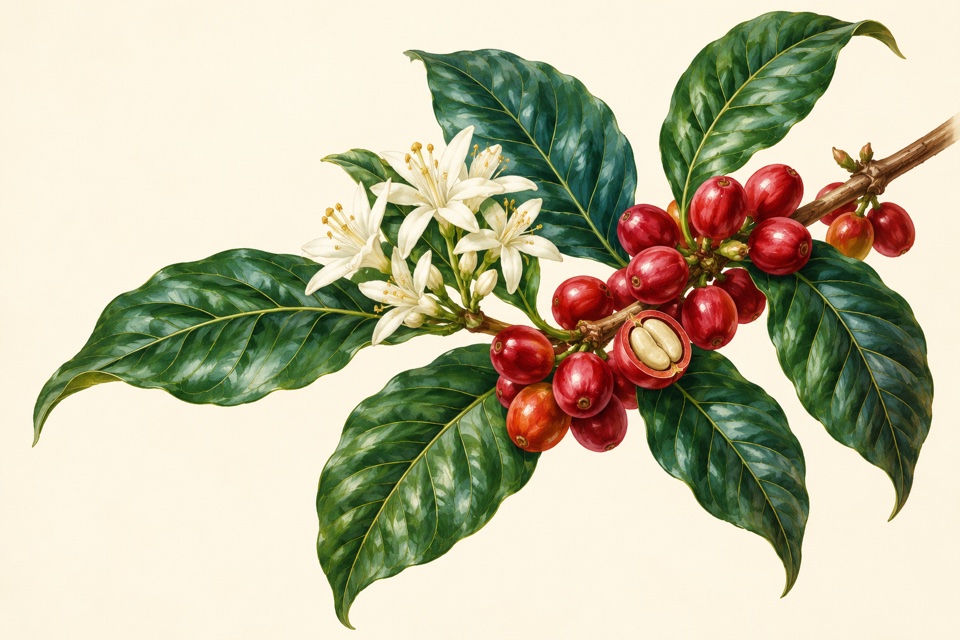
- Arabicqahwathe source form named in the dictionary
- Turkishkahvethe next form in the cited sequence
- ItaliancaffèMerriam-Webster's last step; Etymonline gives Dutch koffie
- English · nouncoffeefirst known use (Merriam-Webster, sense 1a)1598
Browse the word atlas
Each page links to the dictionary entry used for its summary.
 6 route stepsorangeA citrus name crossed Sanskrit, Persian, Arabic, Occitan and French before English — and named the colour after the fruit.nāraṅgaorange
 3 route stepsrobotA Czech word for compulsory labour became the name of a stage machine.robotarobot
 4 route stepsserendipityA word coined by Horace Walpole in 1754 takes its name from a Persian fairy tale.Sarandībserendipity
 2 route stepssandwichAn English food word is named for John Montagu, the 4th Earl of Sandwich — though the card-table story is a later anecdote.Earl of Sandwichsandwich
 4 route stepswindowOld Norse vindauga is built from two words: wind and eye.vindr + augawindow
 5 route stepsschoolGreek scholē began with leisure, discussion and learning before the word reached English — while a different word entirely gave us schools of fish.scholēschool
 4 route stepsalgorithmThe name of a ninth-century mathematician passed through medieval Latin into a modern technical word.al-Khwārizmīalgorithm
 2 route stepsteaOne Chinese word reached English on two paths: chaa through Portuguese by way of Macao, and tea through Malay and probably Dutch from the Amoy form.détea
 2 source pathsquarantineMerriam-Webster’s Etymology section lists English quarantine as partly French quarantaine and partly Italian quarantena, both from Latin quadraginta, “forty.”quarantaine + quarantenaquarantine
The illustrations are decorative; they are not historical evidence or geographic routes. Each story summarizes a linked dictionary entry rather than a generated lookup or a complete scholarly account.