brunch

A breakfast-and-lunch blend with dictionary first-use dates that differ by a year.

Try brunch in the lookup

Word-history steps

The sequence below summarizes the cited forms, dates and evidence. It is not a complete scholarly history.

Word-history stepsSource-backed forms and evidence from the cited entries
  1. Blendbreakfast + lunchDescribed as a blend by Merriam-Webster.
  2. First-use evidence1895 / 1896Source-scoped dates from Merriam-Webster and the Online Etymology Dictionary.

A weekend meal with a disputed first year

Brunch is usually explained as a blend of breakfast and lunch. The exact first recorded year differs by source: Merriam-Webster lists 1895, while the Online Etymology Dictionary lists 1896 and recounts a Punch report tying the word to Guy Beringer.

This page summarizes the cited sources. Follow each source for its full wording, notes and references.

More from the cited entries

Word-specific details from cited sources, with sources named beside each claim.

Blend and timing

Merriam-Webster describes brunch as a blend of breakfast and lunch and lists 1895 as the first known use.

The Online Etymology Dictionary lists 1896 and recounts a 1 August 1896 Punch item saying brunch had been introduced the previous year by Guy Beringer; that attribution comes from the Punch report rather than independently proven coinage.
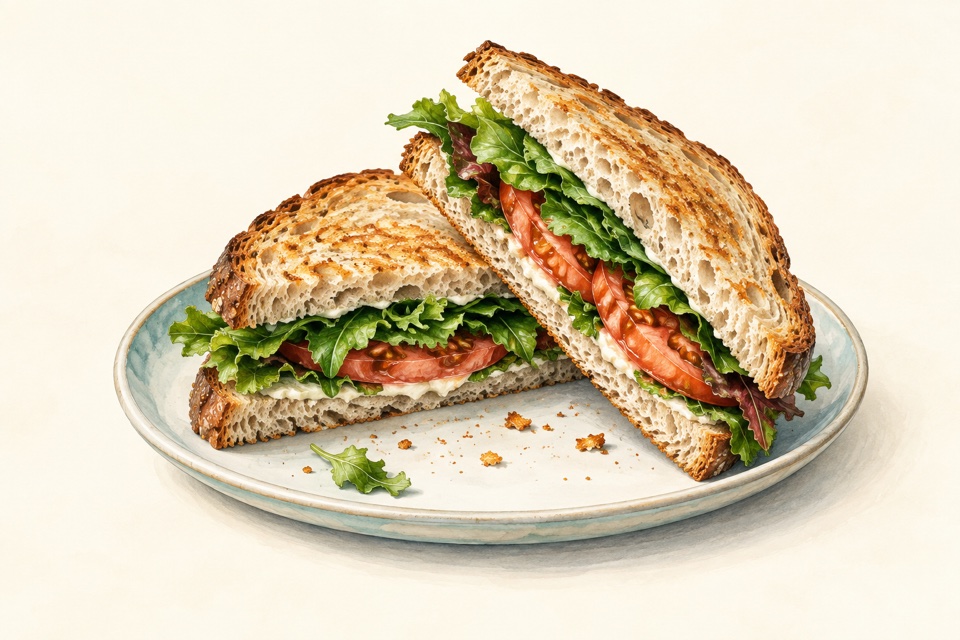
Brunch and blunch

Punch contrasts brunch and blunch by Oxford meal timing, as recounted in the Online Etymology Dictionary entry.

The 1895 and 1896 difference is source-scoped: Merriam-Webster and the Online Etymology Dictionary give different first-use dates, and neither date is presented as a proven coinage date.

Keep reading the method

Brunch is treated as a blend of breakfast and lunch. Portmanteau words: how English blends two words into one

Keep following words

Continue with another source-linked example.

All 20 examples